Birdwatching on the Puszta
Why the Puszta?
The Kiskunság National Park, a UNESCO Biosphere Reserve, is literally around the corner. The mix of puszta grasslands, salt steppes, marshes and fish ponds creates an unprecedented biodiversity — with over 300 bird species, including the Hoopoe, European Roller and the rare Great Bustard.
The remote location, the immense peace and the pristine nature make the puszta one of the best bird destinations in Europe. From Camperplaats Zsana you can walk straight into the field — ideal for early morning walks.
Birds of the Puszta
Discover five remarkable bird species you can encounter around Camperplaats Zsana. Each species has its own story, habitat and best season.
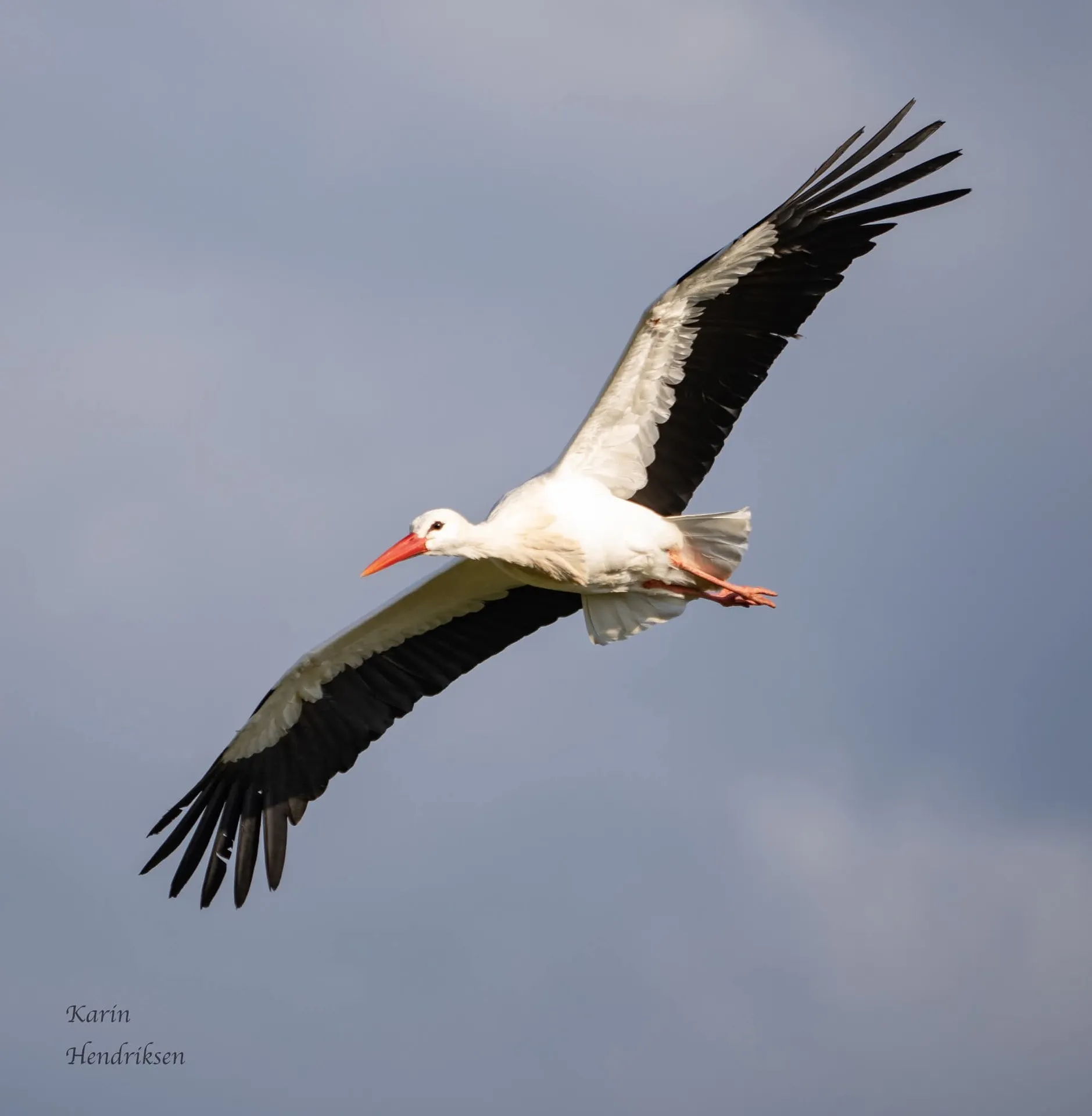
White Stork
Ciconia ciconia • White Stork
The White Stork is a symbol of Hungary and a familiar sight in the landscape. Hungary hosts one of the largest breeding populations in Europe, with thousands of nests on roofs, chimneys and special nest poles. Around Zsana you can see them foraging in meadows and marshes, searching for frogs, mice and insects. The departure of the storks in August is an impressive spectacle.
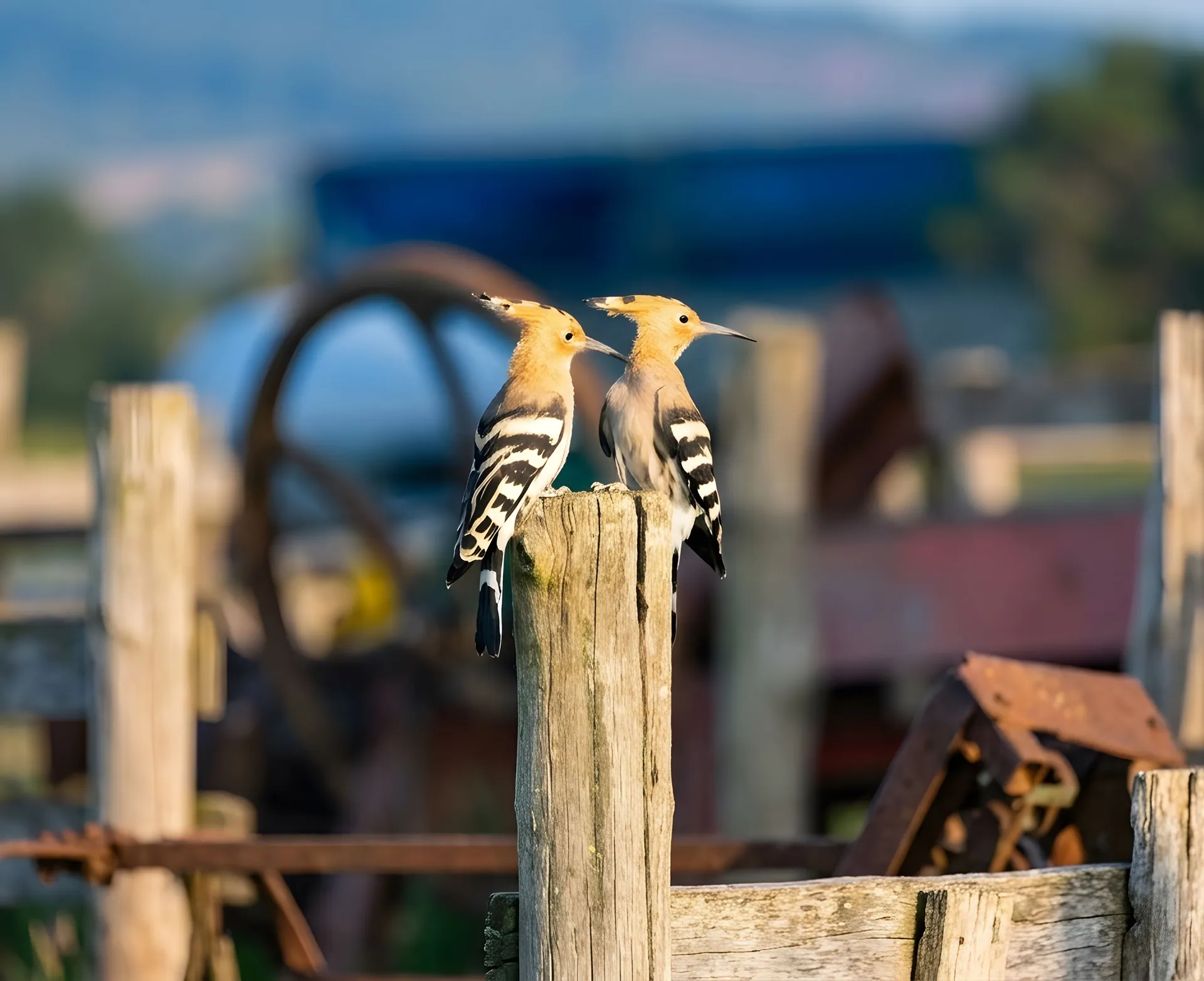
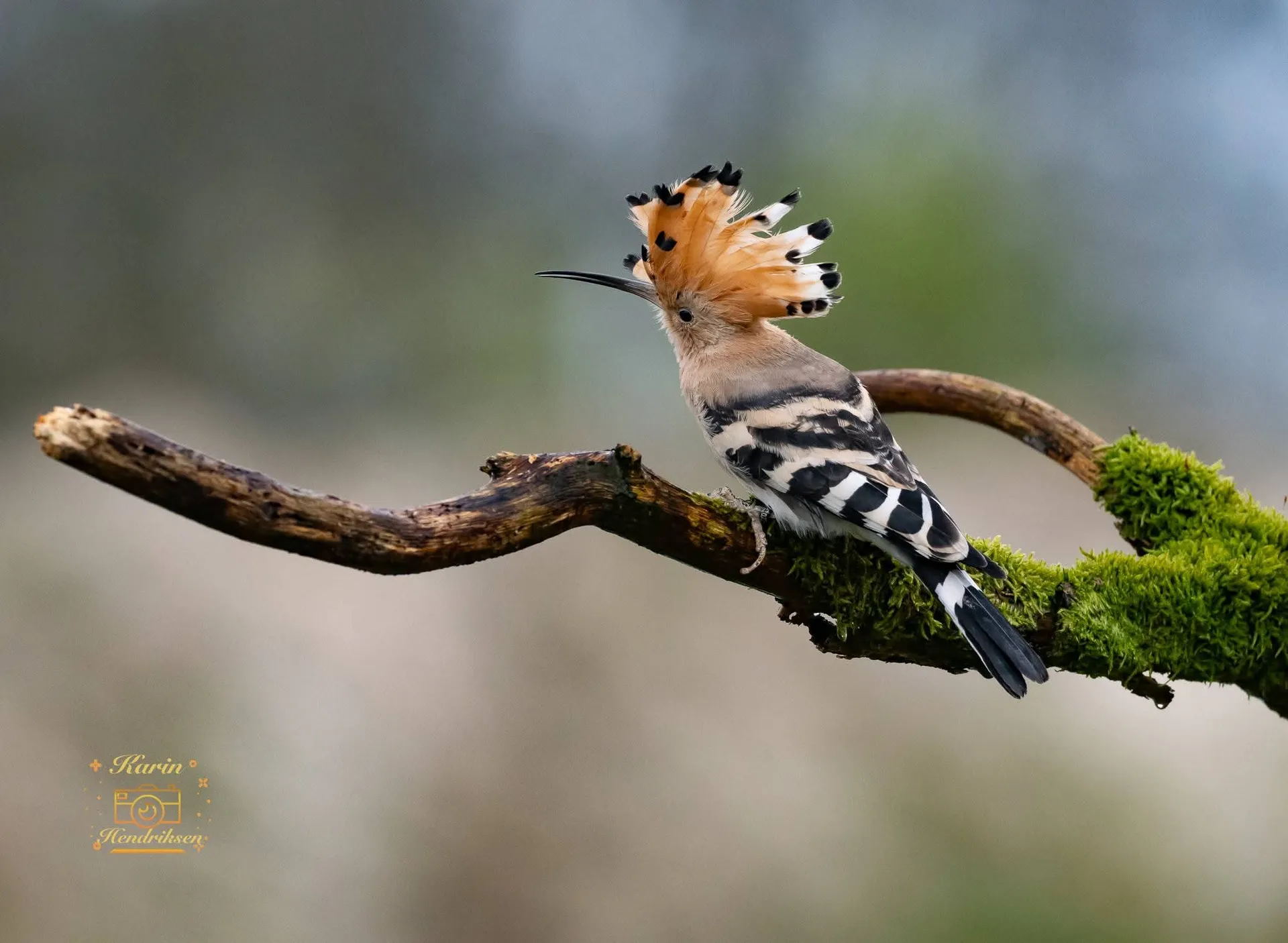
Eurasian Hoopoe
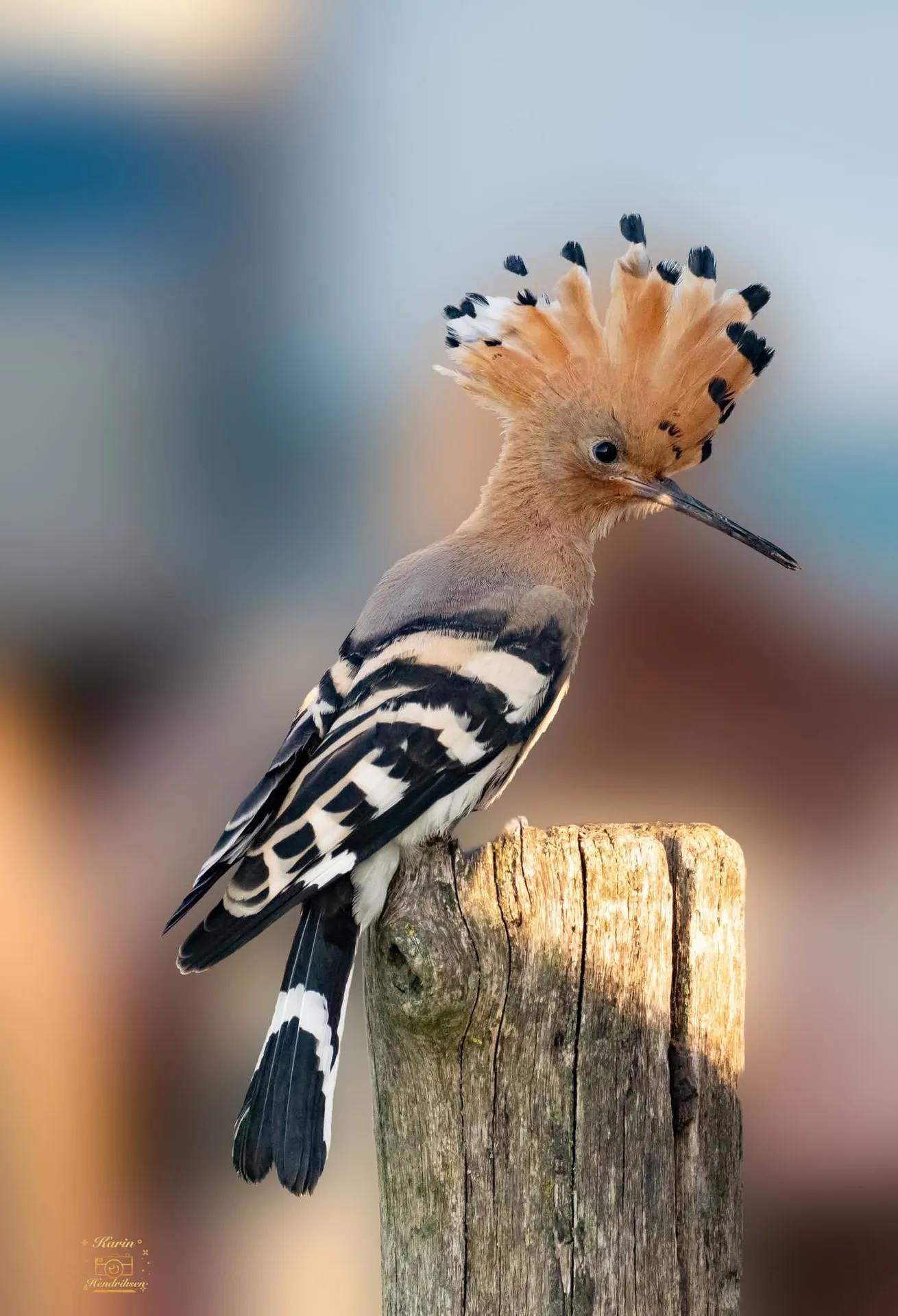
Upupa epops • Eurasian Hoopoe
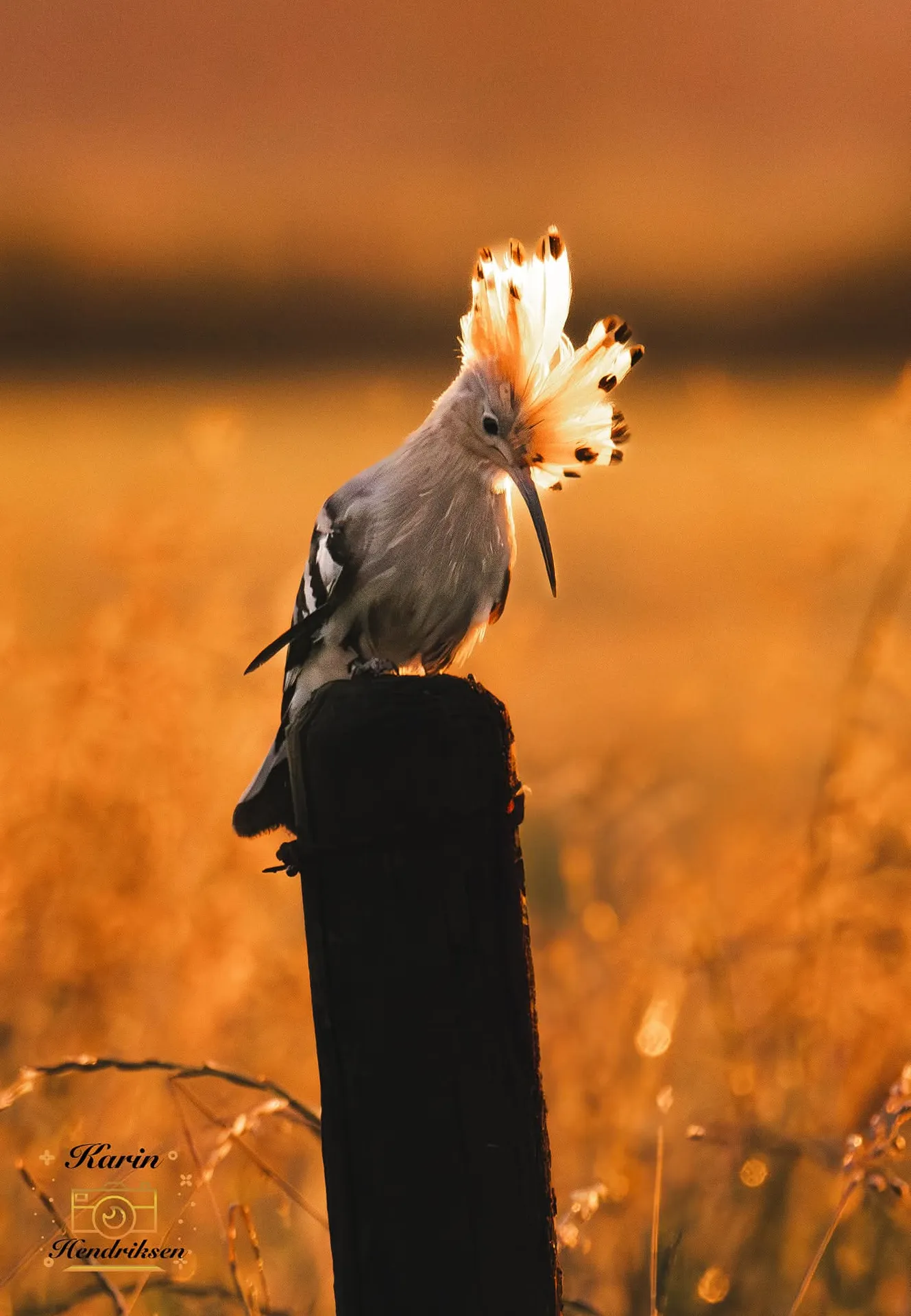
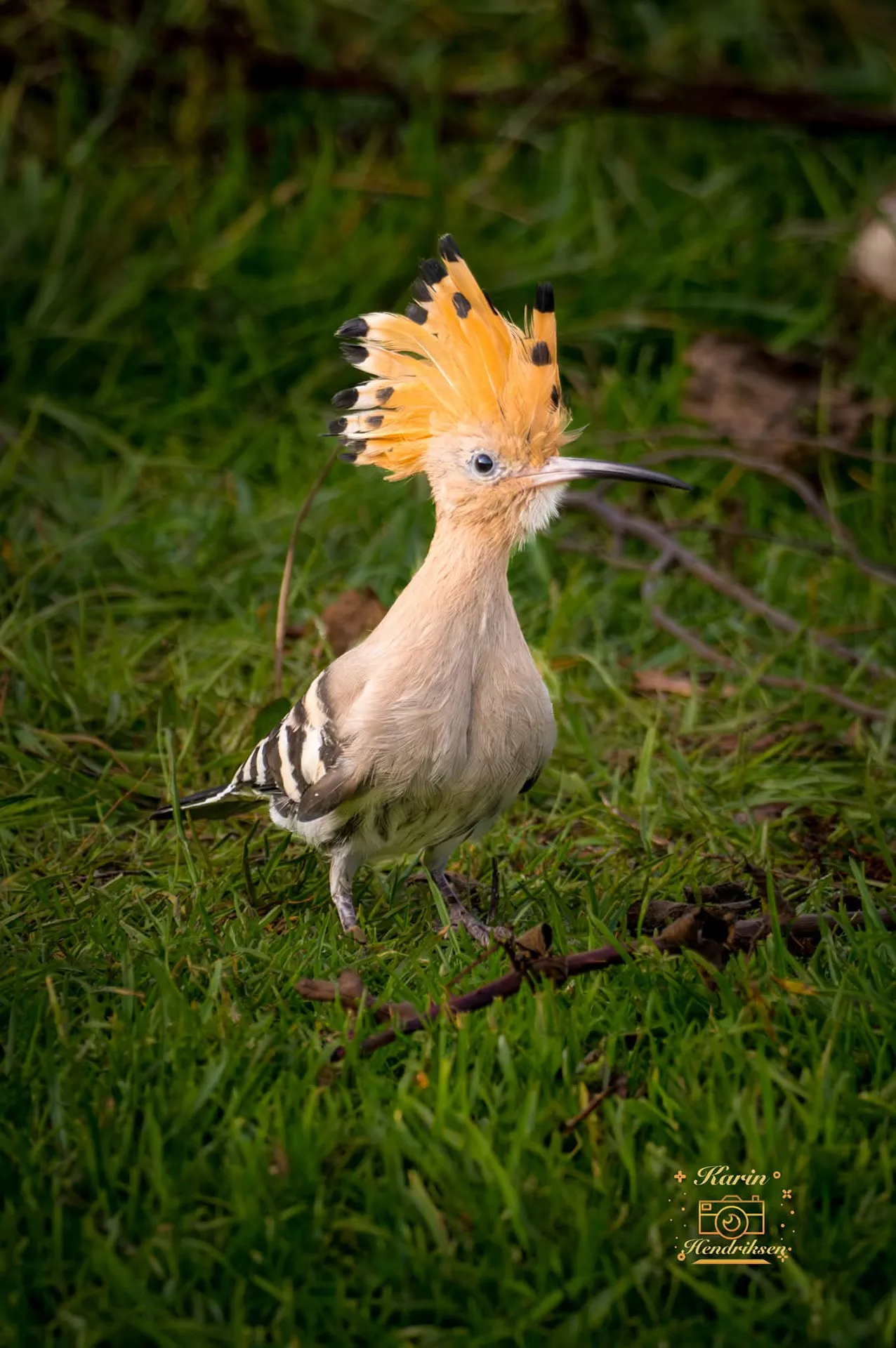
The Hoopoe is one of the most striking birds of the puszta, with its orange-brown crest, black-and-white striped wings and long, curved bill. It forages on the ground for insect larvae, which it probes from the soil with its bill. Its name comes from its distinctive call: a soft, far-carrying "hoop-hoop-hoop". For many birders, the Hoopoe is one of Europe's most beautiful species, and the puszta is one of the best places to see this shy bird.
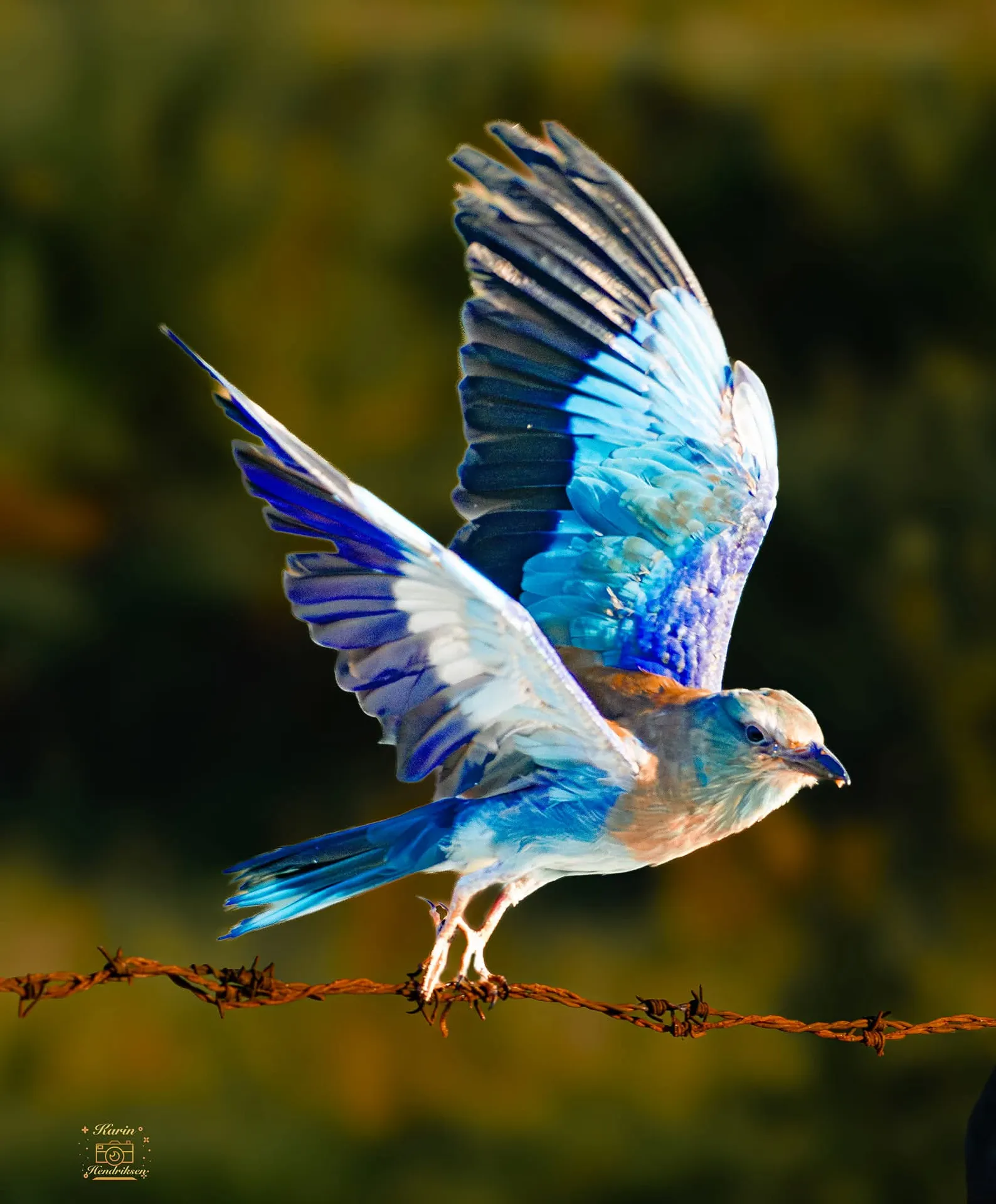
European Roller
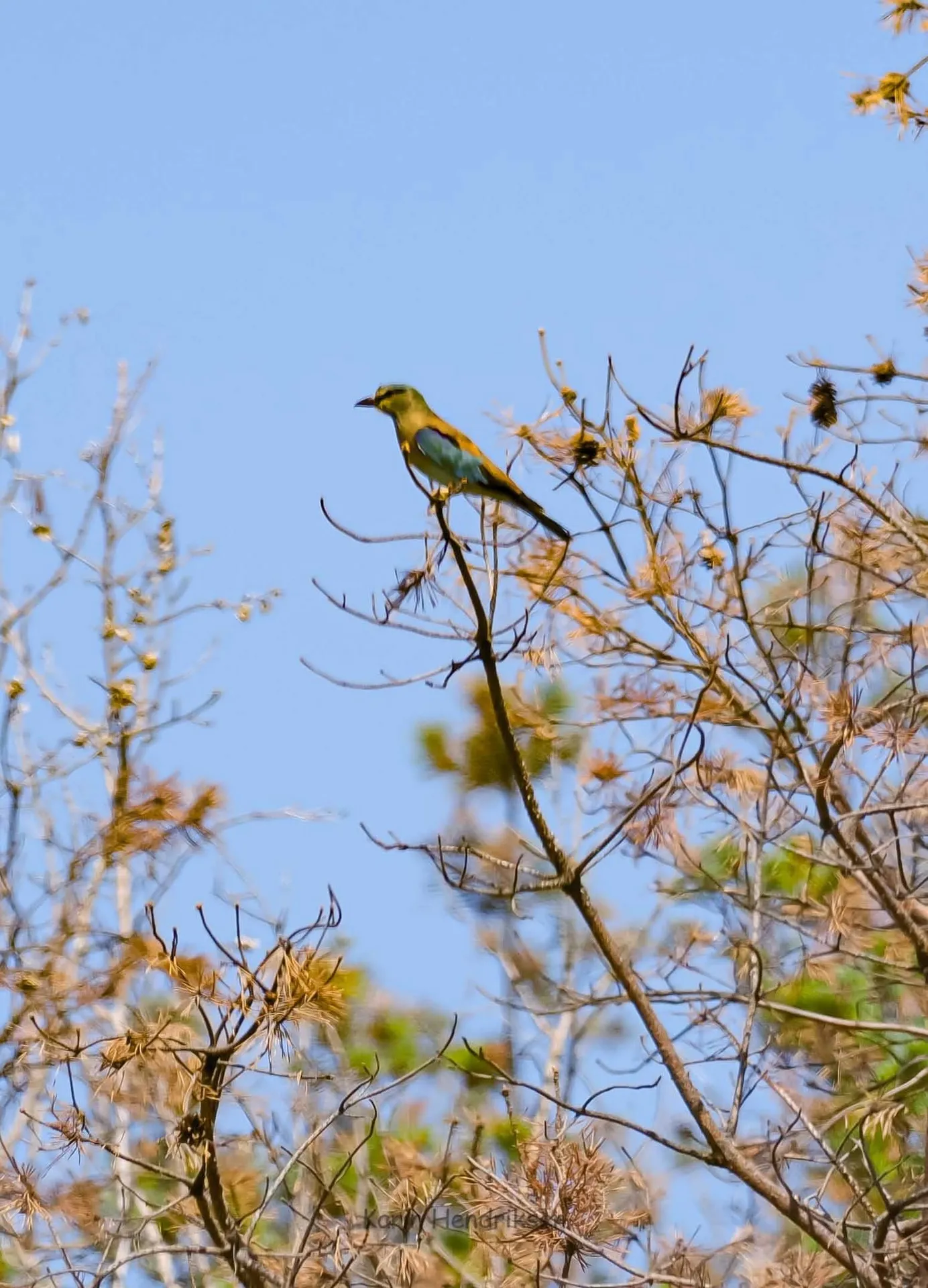
Coracias garrulus • European Roller
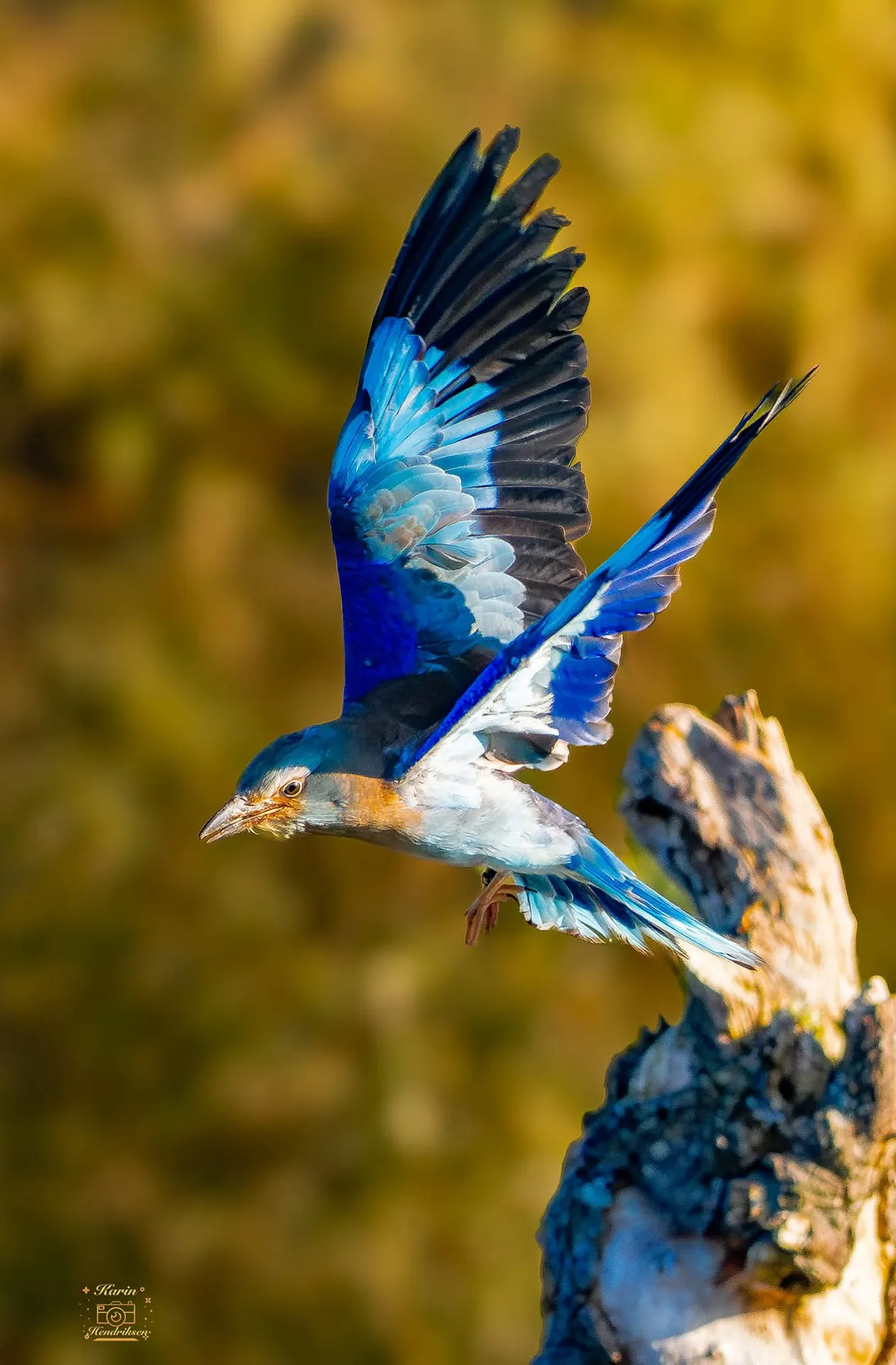
The European Roller is a stunning blue-green bird with a chestnut-brown back and striking ultramarine blue wings. It likes to sit on lookout perches such as telephone wires and treetops, from where it hunts large insects like beetles, grasshoppers and dragonflies. Its vibrant colours and acrobatic courtship flights — with dives and wing-clapping — make it a favourite among birders and photographers.
European Bee-eater
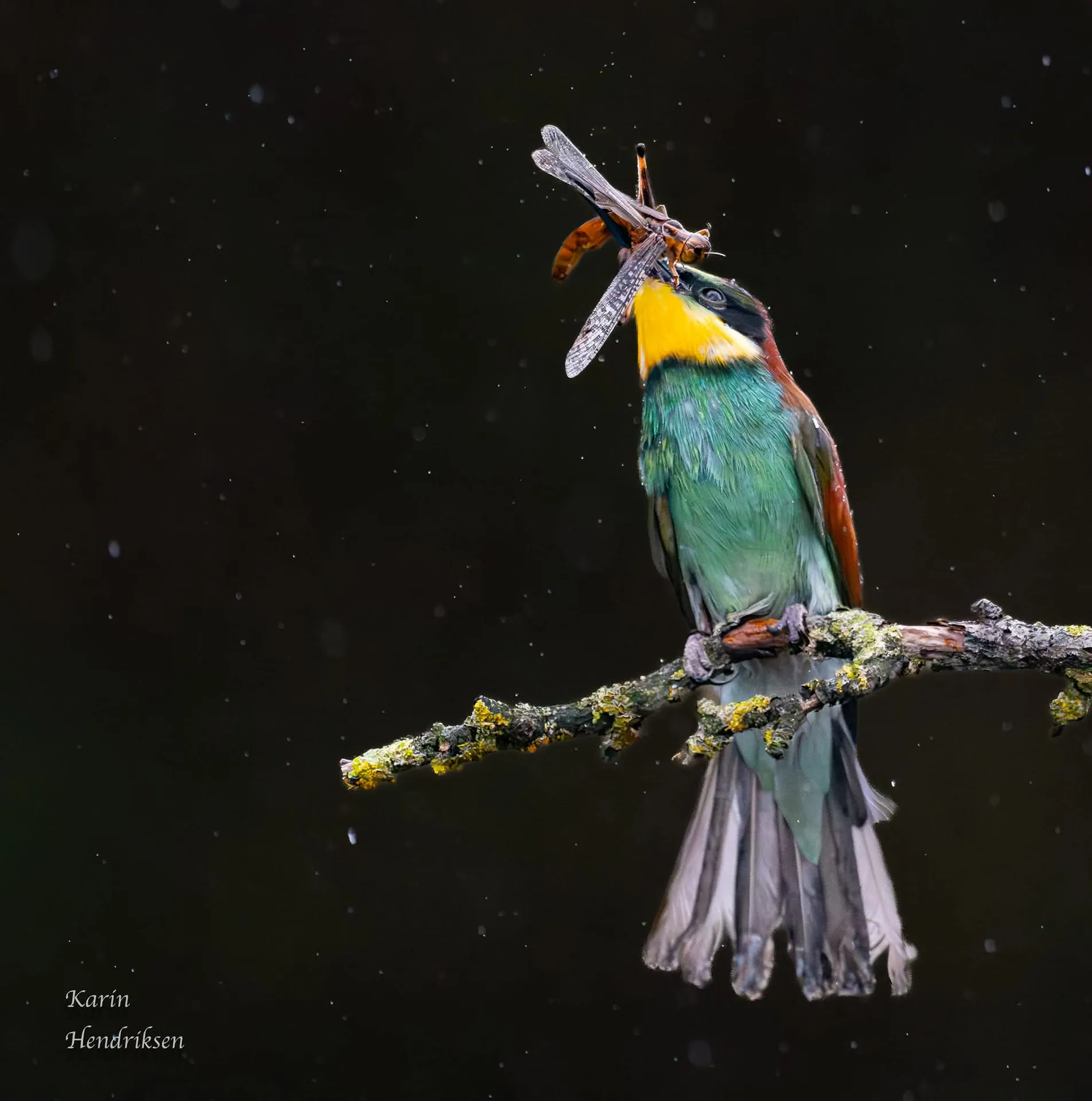
Merops apiaster • European Bee-eater
The European Bee-eater is without doubt one of the most colourful birds in Europe. With its green, blue, yellow and chestnut feathers it looks like a tropical bird. They breed in colonies in steep riverbanks and sand quarries, where they dig long tunnels for their nests. Their spectacular hunting of bees, dragonflies and other insects — caught in swift flights from a lookout — is a joy to watch.
Eurasian Sparrowhawk
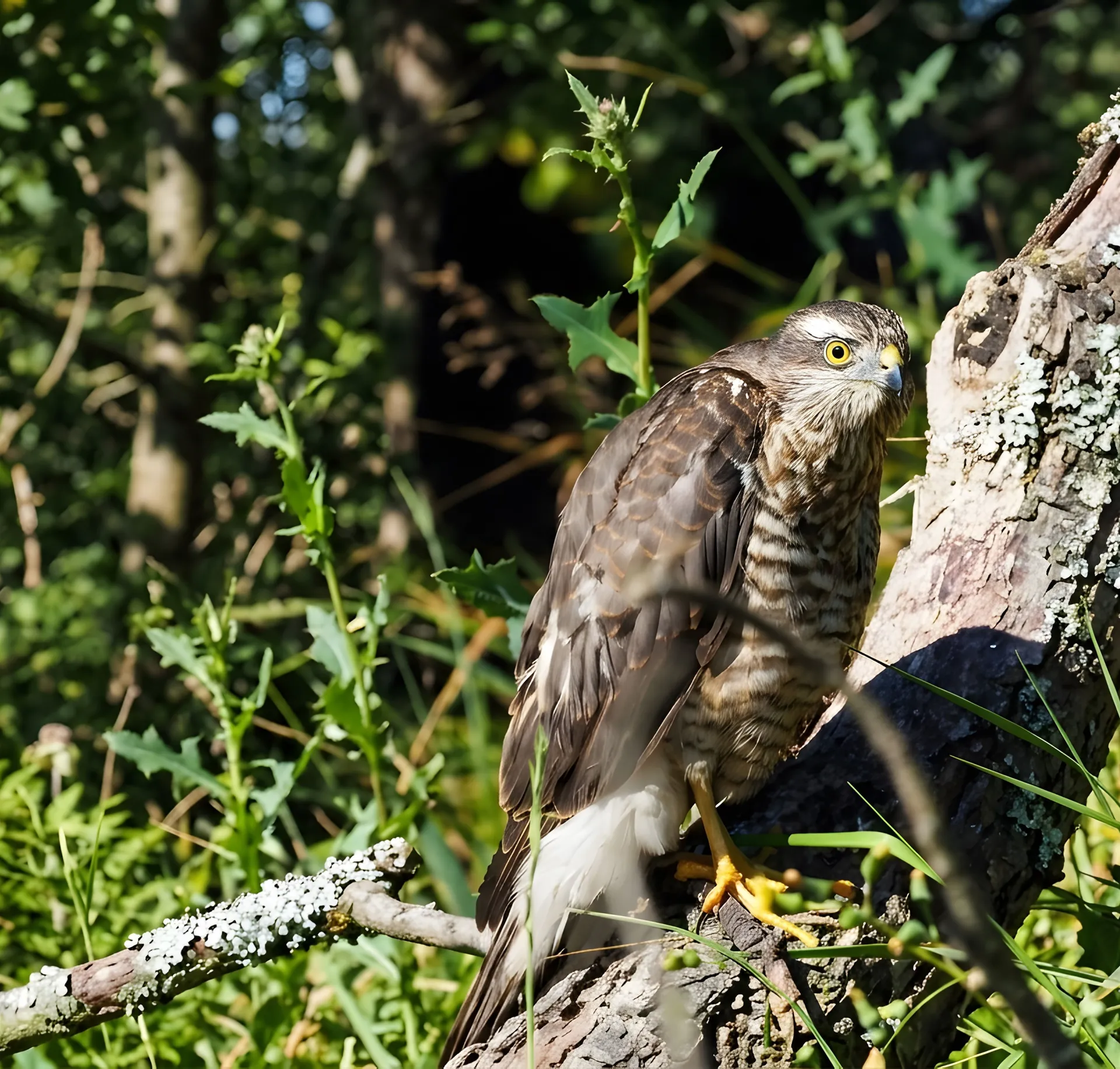
Accipiter nisus • Eurasian Sparrowhawk
The Eurasian Sparrowhawk is an agile bird of prey specialised in hunting small birds. With its short, broad wings and long tail, it manoeuvres effortlessly through bushes and thickets, where it ambushes its prey. Males at 28 cm are considerably smaller than females which can reach 40 cm. Around Zsana, the Sparrowhawk is a regular sight, especially in bushes along fields and near feeding areas.
Bird Photography
An impression of the birds and landscape around our camper site.
Birdwatching Tips
Spring (March-May) is by far the best period for birdwatching on the puszta. Migratory birds return, the White Stork returns to its nest, the Hoopoe sounds its distinctive "hoop-hoop-hoop" call, and the Sparrowhawk becomes active in the thickets. April and May offer the greatest diversity.
Summer (June-August) is excellent for seeing Bee-eaters and European Rollers, which are then in full colour and hunting insects. Early mornings are best, as it is quiet in the afternoon. In September and October the bird population declines, but this is a good time for migrating waders and birds of prey.
Winter is quieter, but offers chances for winter visitors such as Rough-legged Buzzards and Snow Buntings. Early morning light and late afternoon provide the best observations.
- visibility Binoculars (8x32 or 8x42 recommended) — onmisbaar voor het spotten van vogels op de uitgestrekte vlaktes.
- photo_camera Scope or camera with telephoto lens — voor het bestuderen en vastleggen van vogels op afstand.
- menu_book Bird guide of the region or an app like BirdNET or Merlin.
- water_drop Water & sun protection — the puszta can be hot and exposed.
- hiking Sturdy walking shoes and a neutral coloured outfit to blend in.
The Kiskunság National Park has several viewpoints and bird hides worth visiting. A short distance from the camper site you will find:
- location_on Koloniek Zsana — Near the camper site, a vast area with salt steppes and marshes.
- location_on Bodoglár — One of the better-known birdwatching spots in the region, ideal for water birds.
- location_on Kiskunság National Park Visitor Centre in Kecskemét — Information about hiking routes and current sightings.
- location_on Lake Kolon near Izsák — An important breeding area with a bird watching tower.
The puszta offers unique photo opportunities. The open landscape with its clean lines and special light creates atmospheric images. Some tips:
- wb_twilight Golden hour — Early morning and late afternoon have the best light and birds are most active.
- blind Use natural cover — Bushes and reeds provide excellent hiding spots to photograph birds without disturbing them.
- burst_mode Burst mode — Birds are fast; use burst mode for flight shots and action moments.
- landscape Environmental portraits — Don't just zoom in on birds, but also photograph them in their habitat for atmospheric landscape photos with birds.
Our partner Ecotours Worldwide organizes birdwatching tours in Hungary:
- language Ecotours Hungary — Birding tours with expert local guides in Hungary.
- public Ecotours Worldwide — International birding expeditions.
- flutter_dash Quetzal Birding — Specialist birdwatching tours.
Bird Checklist for the Puszta
Download our free bird checklist with all the special species of the region. Perfect for keeping track of your sightings during your stay.
Birds of the Puszta Checklist
Enter your email address and receive the checklist directly in your inbox. Handy for ticking off during your walks.
Just your email, no spam. • Download directly after signing up.
Plan Your Birdwatching Holiday
Stay at our peaceful camper site and discover the birds of the puszta every morning. We would love to welcome you!
Book Now arrow_forward

